Evaluating High-Volume Reliability
A Guide to Bulk Trucking: Vital Services for Efficient Cargo Movement
Bulk transport is a crucial component in the process of hauling large volumes of goods. It spans numerous sectors, guaranteeing that supplies are transported effectively and cost-effectively. By employing specific transporters, this service lessens the dangers involved in handling and enhances delivery speed. Yet, the domain of bulk trucking is evolving. Knowing its intricacies can provide insights into its rising relevance in modern supply chains. Which elements lead to its effectiveness?
Defining Bulk Trucking?
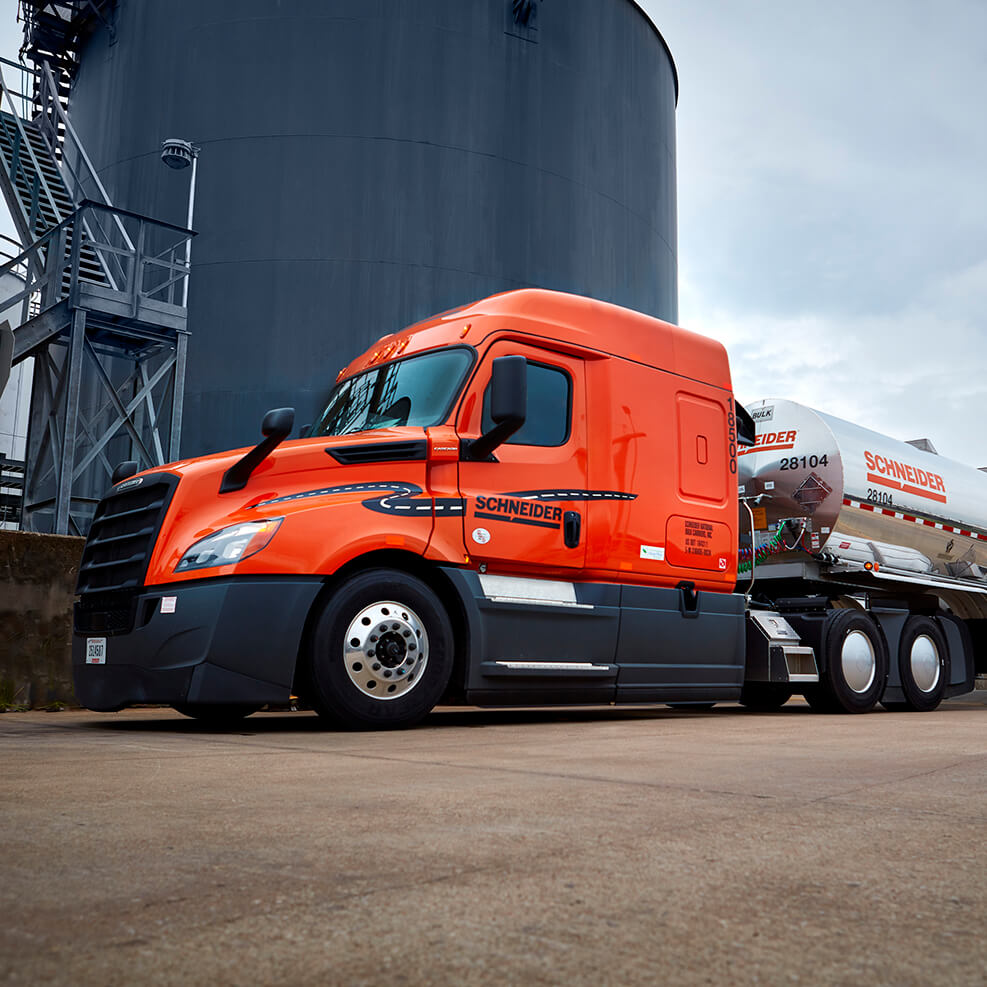
Bulk hauling means the transportation of large quantities of goods, most often as liquids or dry materials, employing dedicated trucks. This method is essential for businesses needing the transportation of significant cargo, such as agriculture, chemicals, and construction. Bulk trucks, like liquid tankers and hopper review this content trucks for dry materials, are engineered to optimally control and transport these bulk commodities.
The logistics of bulk trucking require meticulous organization and coordination, ensuring that the right vehicle is used for specific materials to avoid spoilage and harm. Furthermore, standards controlling bulk hauling mandate compliance with safety criteria, especially concerning dangerous goods.
Bulk trucking plays a significant role in the supply chain, enabling the prompt transfer of vital products and simultaneously reducing expenses associated with transportation. By using this method, businesses can optimize their processes, securing an uninterrupted movement of materials needed for output and additional operations.
Major Advantages of Bulk Transport
While many transportation methods exist, bulk trucking delivers specific upsides that can significantly improve workflow effectiveness for numerous sectors. One significant benefit is cost-effectiveness; bulk trucking frequently decreases individual shipping expenses thanks to the power to haul large volumes simultaneously. This efficiency translates into lower overall transportation expenses, making it an attractive option for businesses.
Furthermore, bulk transport offers adaptability in planning and navigation, allowing companies to adapt quickly to evolving needs. The potential to transport diverse cargo types, including raw materials and consumer goods, significantly increases its attractiveness.
Furthermore, bulk trucking can accelerate transit times, as streamlined operations and direct routes minimize transit times. Improved load management also results in less handling, lowering the risk of harm during transport. Taken together, these key benefits position bulk trucking as an essential logistics solution for industries seeking reliability and efficiency in their supply chains.
Types of Bulk Cargo Transported
Multiple sectors depend on bulk trucking to transport a wide range of cargo types. A key category includes farm produce, including grains, fertilizers, and animal feed. These items are generally shipped in high volumes, meaning specialized bulk trucks are needed designed for quick and easy loading and unloading.
Furthermore, construction materials such as sand, gravel, and cement are frequently moved using bulk trucking services. These goods are crucial to various construction projects and need prompt delivery to maintain project schedules.
Chemical substances, such as liquid and dry chemicals, also make up a large part of bulk cargo. These chemicals necessitate prudent handling and compliance with safety regulations during transport.
Furthermore, food products, including sugar and flour, are transported in bulk to satisfy manufacturing and distribution needs. Overall, the range of bulk cargo highlights the versatility and significance of bulk trucking in helping various parts of the economy.
Technology's Impact on Bulk Trucking
How has technology transformed the field of bulk trucking? Incorporating advanced technologies has greatly enhanced operational efficiency and safety within the bulk trucking industry. GPS systems permit live tracking of cargo and vehicles, leading to timely deliveries and improved route planning. Moreover, telematics has become a vital tool, providing critical data on vehicle performance, fuel consumption, and driver behavior, contributing to cost savings and reduced environmental impact
(Illinois top rated Bulk Trucking)Furthermore, automated systems for inventory management make loading and unloading processes more efficient, minimizing delays and maximizing productivity. Communication technologies also hold a key position, connecting drivers, fleet supervisors, and clients without interruption. This connectivity fosters transparency and enhances customer service by giving reliable status reports on the delivery progress. As the industry continues to evolve, such technological progress are set to redefine bulk transport, fostering new ideas and improving service quality within a cutthroat environment
How to Pick the Best Bulk Transport Company
Selecting the appropriate bulk trucking service is vital for businesses that want to enhance their operational efficiency. Businesses must start by assessing their unique freight needs, including the type of materials being transported and the sheer amount. Examining the transport company's background in handling similar shipments can shed light into their capabilities.
Moreover, firms need to evaluate the provider's area of operation, making sure the copyright is able to effectively serve the required locations. A further critical element is the provider's safety record and adherence to sector rules, which significantly influences the total trustworthiness of the operation.
Pricing is also an important factor; however, companies must balance costs against service quality so as not to sacrifice on critical aspects. In conclusion, customer service and methods of communication are essential in preserving openness during the entire delivery operation. Through meticulous review of these points, companies can select a bulk trucking service that matches their business requirements and aims.
Q&A Section

How Much Does It Usually Cost When Using Bulk Hauling Providers?
Standard expenses for bulk transport include fuel expenses, driver wages, repair costs, insurance, and tolls. In addition, fees might change according to the length of the journey, cargo type, and market demand, influencing the final rate schedules.
How Do I Prepare My Cargo for Bulk Transport?
To ready your load for bulk transport, guarantee proper packaging, secure load stability, confirm weight restrictions, and mark the items distinctly. Additionally, inspect for any damage and follow safety regulations to facilitate efficient transportation and drop-off.
What Safety Regulations Apply in Bulk Transport?
Safety regulations for bulk trucking encompass observing weight restrictions, ensuring cargo is properly secured, following hazmat protocols, periodic equipment reviews, and driver training requirements to ensure secure transport and reduce the chance of accidents. - Illinois top rated Bulk Trucking
- Illinois top rated Bulk Trucking
How Do Bulk Trucking Companies Handle Delays?
Bulk trucking companies handle setbacks by notifying customers in advance, revising delivery schedules, and changing routes when necessary. They also make use of technology to keep tabs on loads, providing real-time information and reducing supply chain interruptions.
Can Bulk Trucking Accommodate International Shipping?
Certainly, bulk transport supports global shipping by working alongside specialized freight forwarders and employing appropriate gear. These companies ensure adherence to global standards, allowing for easy transit across borders for various bulk commodities while upholding security and effectiveness.