Enhancing Logistics Flow Compliance Tips
Investigating the Upsides of Opting for Bulk Haulage for Your Shipping Needs
Bulk haulage presents a strategic option for companies looking to streamline their transport operations. By consolidating shipments, businesses are able to realize major financial benefits and minimize their carbon footprint. Moreover, this approach provides greater dependability and flexibility in transport timetables - Illinois top rated Bulk Trucking. As the landscape of transport operations develop, understanding the nuances of bulk freight transport becomes essential for maintaining a competitive edge. What additional upsides could this strategy uncover for modern businesses?
Achieving Cost Reduction Via Economies of Scale
Despite many firms face rising transportation costs, bulk trucking offers significant cost savings through large-scale operations. By consolidating shipments, companies can reduce the cost to transport each item, as larger quantities allow for more efficient use of resources such as fuel and labor. This efficiency translates to reduced total costs, thereby positioning bulk haulage as a favorable solution for firms aiming to improve their transport operations.
Moreover, bulk trucking minimizes the number of necessary journeys, which further decreases costs associated with upkeep of trucks and staff salaries. Companies can negotiate better rates with transport providers when agreeing to bigger loads, enabling them to benefit from decreased transport costs. As a result, businesses can allocate their savings towards other operational areas, enhancing their competitive edge. In conclusion, the financial benefits of bulk transport make it a strategic choice for businesses striving for better financial results while maintaining efficient supply chain operations.
Decreased Impact on the Environment
Bulk trucking greatly contributes to a reduced environmental impact, making it an eco-friendly choice for moving goods. Through the grouping of loads, bulk transport reduces the frequency of travel to deliver goods, which thereby reduces gasoline usage and harmful emissions. The streamlined approach to shipping bulk items allows for fewer vehicles on the road, easing road blockage and damage to roads.
Additionally, numerous bulk transport providers are implementing greener methods, such as using trucks that save gas and streamlining delivery routes to reduce their environmental impact even more. Employing modern technology in logistics also aids in tracking pollution and improving total effectiveness. Given that corporations are emphasizing sustainability more, selecting bulk hauling doesn't just support green efforts and aligns with their corporate responsibility aims. As a result, bulk hauling offers a viable option for firms aiming to minimize their environmental damage while still fulfilling their shipping requirements.
Better Transit Times and Trustworthiness

If firms select bulk hauling for moving their goods, they often experience improved delivery times description and increased dependability. This mode of transportation is designed to efficiently handle large quantities of goods, decreasing the total number of hauls. Through combining loads, firms can lessen delays linked to pickup and drop-off, which ensures faster movement.
In addition, bulk trucking typically involves fewer stops, which makes the delivery process more efficient. Numerous bulk haulers employ cutting-edge tracking and logistics tools, offering live status reports that improve clarity and responsibility. Having this visibility enables companies to plan efficiently, ensuring that products arrive on schedule.
Moreover, the reliability of bulk trucking is bolstered by experienced drivers and regularly maintained equipment, minimizing the chance of mechanical failures or holdups. Consequently, companies can depend on bulk trucking services to reliably hit their transit targets, thereby enhancing customer contentment and strengthening commercial ties.
Increased Hauling Volume and Adaptability
While numerous transport choices limit the size of the load, bulk trucking offers enhanced load capacity allowing firms to ship significant volumes of materials in a single journey. This capacity proves highly useful for industries requiring the movement of large volumes, like construction, agriculture, and mining. Using specialized trucks built for bulk goods, businesses can optimize their shipping processes, minimizing the hauls necessary for delivery.
Furthermore, bulk transport offers versatility in how loads are arranged, accommodating various types of products, including liquids, grains, and powders. This flexibility helps firms adjust to evolving needs and efficiently manage their supply chain without compromising on capacity. By leveraging the enhanced load capacity and flexibility of bulk trucking, firms can simplify their workflows, lower transport expenditures and secure a more consistent delivery method. In conclusion, this method provides an effective solution for firms aiming to maximize delivery efficiency and meet customer expectations.
Streamlined Supply Chain Management
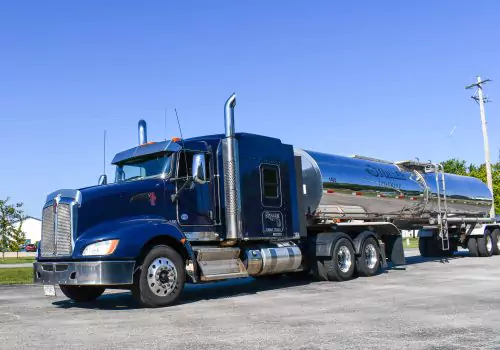
Efficient SCM processes is readily possible with the integration of large-scale transport into the operational framework. By consolidating shipments, businesses can cut down on transit expenditure and enhance timeliness. Bulk trucking allows for the shipping of larger quantities of goods in reduced travel, lessening the difficulty involved in numerous deliveries. This efficiency enables improved stock control, as companies can get and send out goods much faster.
In addition, bulk trucking improves coordination and coordination among SCM stakeholders. With less transporters utilized, monitoring deliveries is easier, resulting in better transparency and faster reaction speed to any issues that may arise. The dependability of bulk trucking also guarantees that goods arrive at their destinations in optimal state, decreasing the chance of transit issues. Overall, adding large-scale hauling into supply chain strategies fosters a more cohesive and effective operational structure, helping companies and the consumers as well.
Questions and Answers
What Cargo Is Most Appropriate for Large-Scale Hauling?
Large-scale hauling is best for transporting large quantities of goods such as agricultural products, construction materials, industrial compounds, and perishable goods. These goods gain from streamlined, affordable transport options, cutting down on manual processing and minimizing overall transportation costs.
Where Can I Locate a Trustworthy Mass Hauler?

To find a trustworthy logistics firm, one should research online reviews, seek recommendations from industry peers, check necessary permits, and get multiple bids - Illinois top rated Bulk Trucking. Moreover, evaluating the provider’s experience and fleet capability is necessary for selecting wisely
What is the Typical Delivery Period for Mass Deliveries?
The average transit time for bulk shipments usually falls between 24 to 72 hours, varying by the route length, traffic situations, and the type of cargo. Variability in these factors can significantly alter transit times.
Are There Weight Restrictions for Mass Transport Shipments?
Yes, bulk trucking loads must adhere to maximum weights, which change regionally and vehicle type. Illinois top rated Bulk Trucking. Regulations provide security and regulatory conformity, typically restricting loads to approximately 80K pounds for typical commercial vehicles on highways
Can Bulk Trucking Manage Temperature-Controlled Freight?
Absolutely, bulk trucking can manage perishable freight by utilizing dedicated machinery, like temperature-controlled vans. This feature guarantees that sensitive products maintain their required temperatures while in transport, protecting freshness and integrity.